
What Is a Dental Cleaning?
Key Takeaways
- A dental cleaning removes plaque, tartar, and bacteria that brushing and flossing can’t reach on their own.
- Most appointments take 30 to 60 minutes and cause little to no discomfort.
- There are different types of cleanings depending on the health of your teeth and gums.
- Sedation options and accessible care are available for patients with anxiety, mobility needs, or complex medical conditions.
- Regular cleanings can lower your risk of cavities, gum disease, and bad breath.
- A dentist in Calgary can help you figure out how often you should come in.
What a Dental Cleaning Actually Involves
You brush twice a day, you floss, you do everything right. However, even with good habits, plaque still builds up in the tight spots between your teeth and along the gum line where your toothbrush just can’t reach. Over time, that plaque hardens into tartar, and tartar can only be removed with professional tools. Vitality Oral Health is where many Calgary patients turn when they’re ready to get back on track with their oral care, including patients who’ve put off cleanings because a typical dental visit hasn’t felt accessible to them.
A dental cleaning is a professional procedure that removes plaque, tartar, and bacteria from your teeth and gums. It’s performed by a dentist or dental hygienist and typically includes scaling, polishing, and a quick exam of your mouth. Think of the process as a reset for whatever your daily routine can’t handle on its own.
The Step-by-Step Dental Cleaning Process
Scaling & Polishing
Scaling is where the cleaning really happens. Your hygienist uses a small instrument to carefully scrape away plaque and tartar, especially along the gum line.
After scaling, the hygienist polishes your teeth using a slightly gritty paste and a rotating brush. This smooths out the surface of each tooth, making it harder for plaque to stick. You’ll walk out with that clean, just-been-to-the-dentist feeling.
Extra Treatments the Dentist May Recommend
Depending on what the dentist sees during your exam, they may recommend additional treatments. These aren’t always necessary, but they can add a layer of dental and oral protection.
- Fluoride treatment can help strengthen your enamel and reduce your risk of cavities.
- X-rays help your dentist spot concerns between teeth or below the gum line that aren’t visible to the naked eye.
- Dental sealants can be applied to back teeth with deep grooves where decay tends to start.
Types of Dental Cleanings & Which One You May Need
Routine Cleaning
If your teeth and gums are in good shape, a routine teeth cleaning is all you’ll likely need. This covers the basics: scaling, polishing, and a dental exam. Most dentists recommend coming in every 6 months to stay ahead of any issues before they become bigger problems.
Deep Cleaning
A deep cleaning is a different process. It’s typically recommended when there are signs of gum disease or a heavier-than-usual buildup of tartar. As part of a deep cleaning, your hygienist cleans below the gum line and around the roots of your teeth in order to address bacteria that a regular cleaning can’t reach. This may sometimes require more than one appointment.
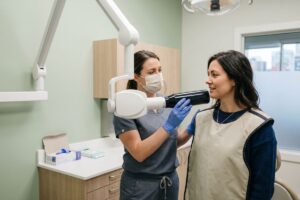
Cleanings for Patients With Anxiety, Mobility Needs, or Complex Medical Conditions
A routine cleaning is simple for a lot of people, but not for everyone. Dental anxiety, mobility limitations, and complex medical conditions can all make a basic appointment feel far from basic, and it’s one of the main reasons people put off dental care altogether.
At Vitality Oral Health, compassionate care means building the visit around what you actually need, not a one-size-fits-all appointment.
- Sedation options. For patients who feel anxious in the chair, options range from nitrous oxide to oral sedation. For more complex cases, Vitality Oral Health is one of only a few practices in Calgary with access to IV sedation and general anesthesia in a hospital operating room setting.
- Accessible care. The clinic is wheelchair accessible, so mobility isn’t a barrier to getting a routine cleaning done.
- Medically complex patient care. Patients managing cancer treatment, cardiac conditions, compromised immune systems, or other complex medical histories can receive an individualized treatment plan, coordinated around their existing care.
If any of this sounds like it applies to you or a family member, it’s worth mentioning when you book, so the team can plan the visit around it from the start.
Benefits of Regular Dental Cleanings
Skipping cleanings might not feel like a big deal in the short term, but the effects compound over time. Regular appointments can make a real difference in your day-to-day comfort and your long-term health.
- Cleanings help lower your risk of developing cavities and gum disease.
- Removing bacteria from your mouth can reduce bad breath noticeably.
- Research has linked gum health to heart health, so keeping your mouth clean supports more than just your teeth.
What to Expect Before & After Your Appointment
During the Visit
Most cleanings take somewhere between 30 and 60 minutes. For people with healthy gums, this process is usually comfortable. If your gums are a bit sensitive, or you have anxiety, mobility needs, or a medical condition the team should know about, let your hygienist know so they can adjust their approach.
After the Visit
It’s normal to notice some mild sensitivity in the day or two after your cleaning. Cold drinks or slightly textured foods might feel more noticeable than usual, but this tends to fade quickly. If you’re wondering what you can eat right after your appointment, we’ve made a helpful guide on eating after a teeth cleaning that covers what to reach for and what to avoid.
Whether you’re due for a routine visit, haven’t been to the dentist in a while, or need a bit of extra support to make a visit work for you, our team at Vitality Oral Health is here to make the experience comfortable and straightforward.
Reach out to request an appointment and let us know how we can help.