
Key Takeaways
- A cavity is a small hole in your tooth caused by plaque breaking down enamel over time.
- Early signs include sensitivity to hot, cold, or sweet foods, as well as visible dark spots or white patches.
- Deeper decay causes sharp pain, discomfort when chewing, and swelling near a tooth.
- Home checks can help you spot changes, but a dentist catches what you can’t see.
- Catching a cavity early may allow for simpler treatment.
What a Cavity Actually Is
New sensitivity when you sip cold water or eat something sweet is worth paying attention to. It does not always mean you have a cavity, but it is a reason to have the change assessed.
A cavity is a small hole in your tooth that forms when plaque breaks down the hard, outer layer of enamel. Left alone, that hole continues to grow. The longer you wait to fix a cavity, the bigger the problem becomes.
At Vitality Oral Health, we focus on catching changes in your mouth early, so that treatment stays as straightforward as possible. Scheduling a dental recall exam is one of the most reliable ways to stay ahead of decay before it progresses.
Signs & Symptoms to Watch For
Early Warning Signs
Early cavities are sneaky. You might not even feel any pain at all. Here’s what to look for:
- Sensitivity when eating or drinking something hot, cold, or sweet.
- Visible dark spots, white chalky patches, or slight discolouration on a tooth.
- Persistent bad breath or an unusual taste, especially alongside other tooth changes.
These signs don’t always mean that a cavity is present, but they’re a good starting point for taking action. The causes of tooth sensitivity can vary, and a dental exam helps narrow down what’s actually going on.
Signs the Decay Has Gone Deeper
When decay reaches the inner layers of a tooth, the symptoms become harder to ignore. Signs that your cavity has progressed may include:
- Sharp or constant tooth pain, even without eating or drinking.
- Pain when you bite down or chew on that side of your mouth.
- Swelling or tenderness in the gum tissue near a specific tooth.
These symptoms can occur when decay reaches deeper layers of a tooth, but only a dental exam and any needed X-rays can show how far it has progressed. Prompt care can help prevent the problem from becoming more involved. In some cases, deeper decay may call for root canal therapy to address the affected pulp of the tooth.
How to Check for a Cavity at Home
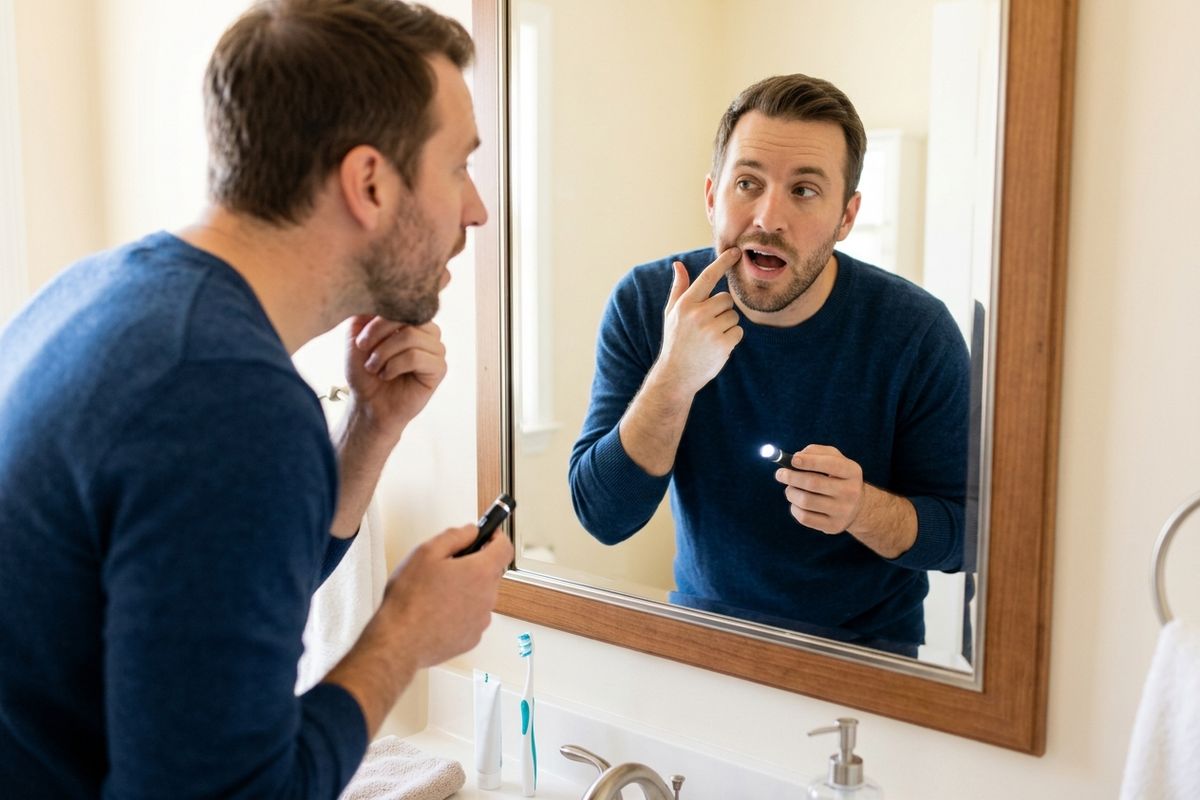
You can do a basic visual check at home with good lighting and a mirror. Look for any visible holes, dark spots, or discolouration on your teeth. Pay attention to whether your teeth feel rough or uneven in places where they used to be smooth. If you experience sensitivity or pain while you’re eating or brushing your teeth, that’s also a possible sign.
Home checks have real limits, however. Cavities often start between teeth or below the gum line, where you simply can’t see them on your own. Dental X-rays and a clinical exam can catch decay at an earlier stage, while it’s still easier to address. A home check can help you notice changes, but it cannot rule out decay between teeth or below the gum line.
What Happens If You Leave a Cavity Untreated
How Fast Cavities Progress
Once a cavity has formed, it may grow without treatment. If decay reaches the nerve inside the tooth, pain can become more intense and constant. What might have needed a simple dental filling can become an issue that requires more involved care.
Can a Cavity Heal on Its Own?
If a lesion is very early and has not formed a cavity, your dentist may recommend fluoride and improved brushing habits to help slow or reverse the damage. Once a true cavity has formed or decay reaches the dentin, restorative treatment such as a filling may be recommended.
If a cavity has formed, waiting may allow the damage to progress. Your dentist can explain the least involved option for the tooth’s condition. If decay has gone beyond what a filling can address, restorative options like crowns, inlays, and onlays may help restore the tooth’s function.
Cavity Prevention & When to See a Dentist
Daily Habits That Help
The good news is that most cavities are preventable with good habits:
- Brush twice a day with a fluoride toothpaste to help protect enamel.
- Floss daily to clear plaque from between teeth where your brush can’t reach.
- Limit sugary snacks and drinks between meals, since frequent sugar exposure gives plaque more opportunity to cause damage.
Pairing these habits with regular professional cleanings removes the buildup that brushing and flossing can’t reach on their own.
When to Book an Appointment
Some situations call for booking an appointment sooner rather than later. You should visit your dentist if:
- You notice new sensitivity, pain, or visible changes in a tooth.
- It’s been longer than your dentist-recommended recall interval.
- You have a history of frequent cavities or past dental work that may need to be checked.
If you’re looking for a dental team that takes the time to listen and treat you with genuine care, Vitality Oral Health is ready to help. Our team is focused on your comfort and health at every appointment. Book your checkup to get a clearer picture of your oral health.